

After having a barking owl flying directly at me, I was delighted to have a pretty little Australian kestrel flying towards me, but these little raptors don't fly in straight lines.
It was a heavily overcast day, and somewhat windy. These images were all shot with a Sony 70-200mm GM II lens at 200mm, at ISO 500, f/2.8, 1/2000.
Here is the sequence in a gallery that you can click on to see the details - these are 24 consecutive images, shot at 20 frames per second, so you are seeing just over 1 second of flight here. None of these frames have been cropped.
Please click on any photo to view in a lightbox. Use arrow keys or swipe to navigate.
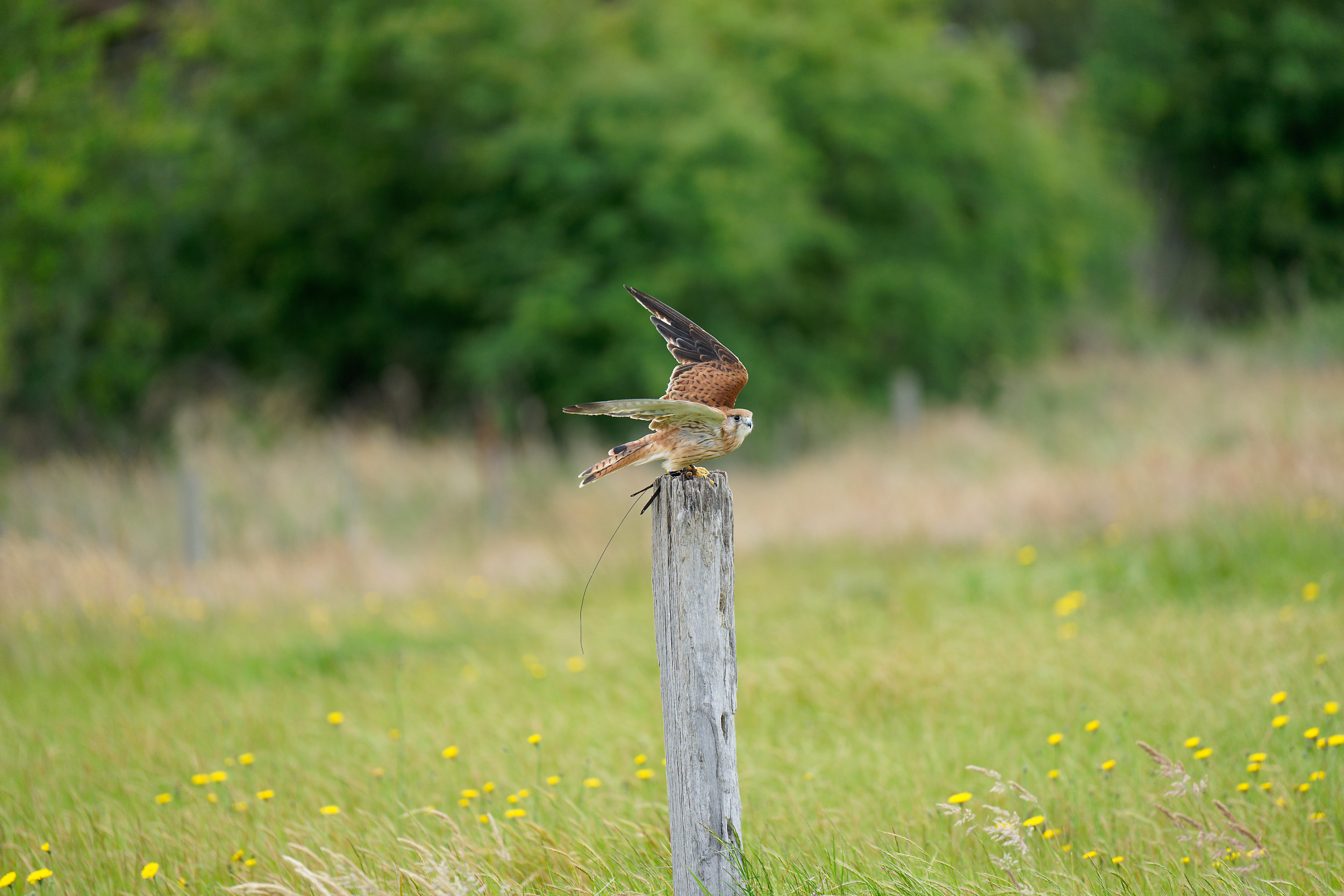 a1_68137_2500
 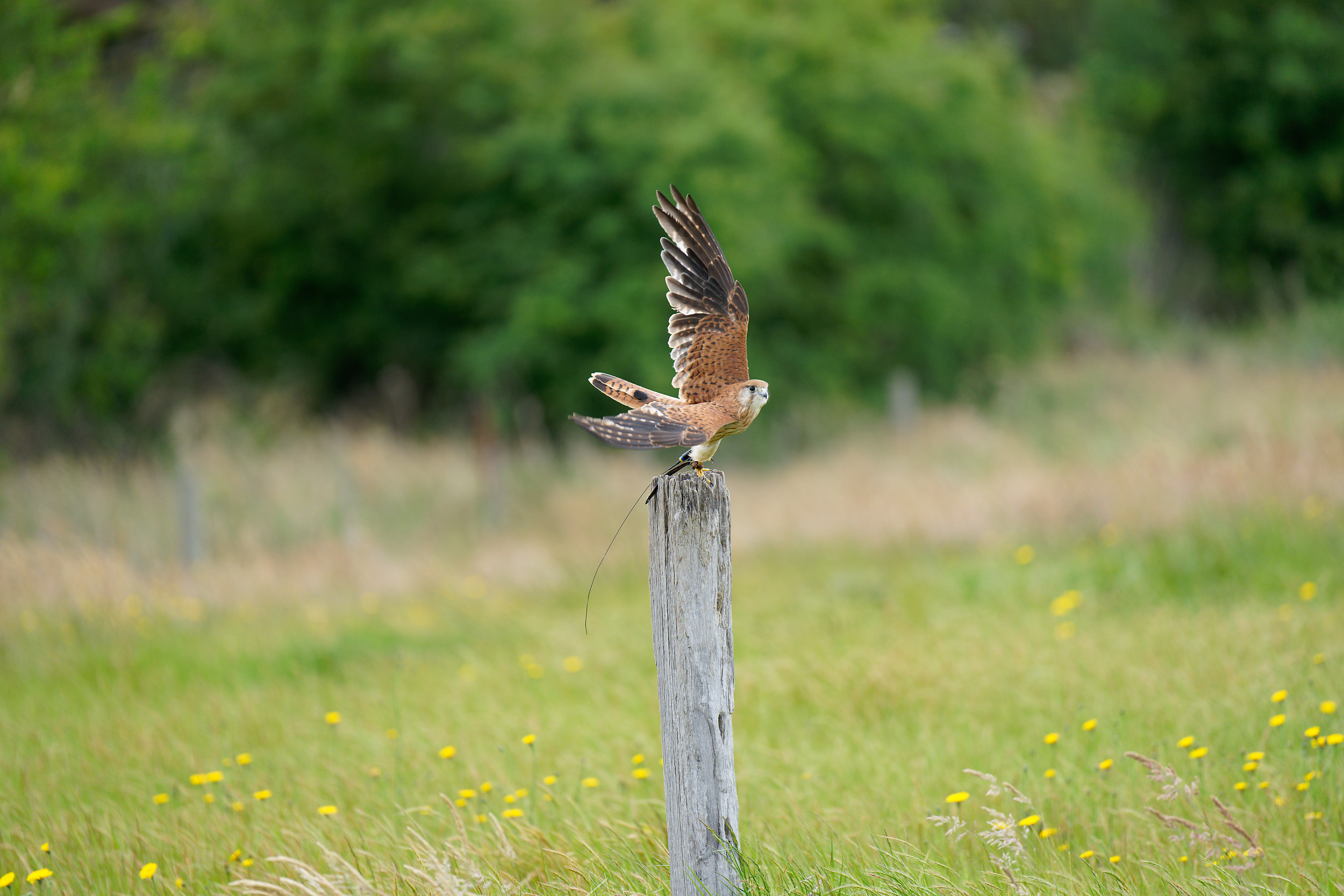 a1_68138_2500
 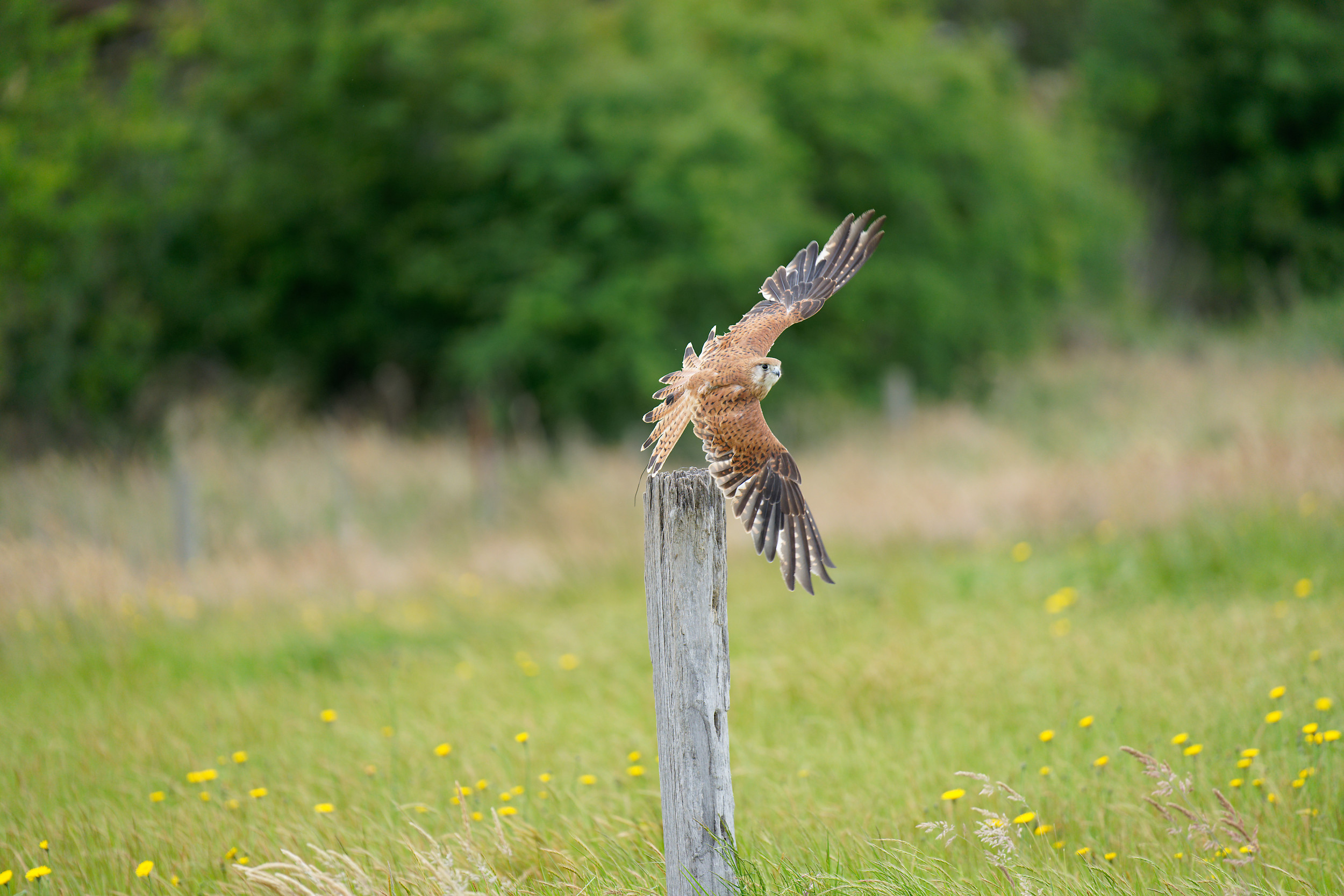 a1_68139_2500
 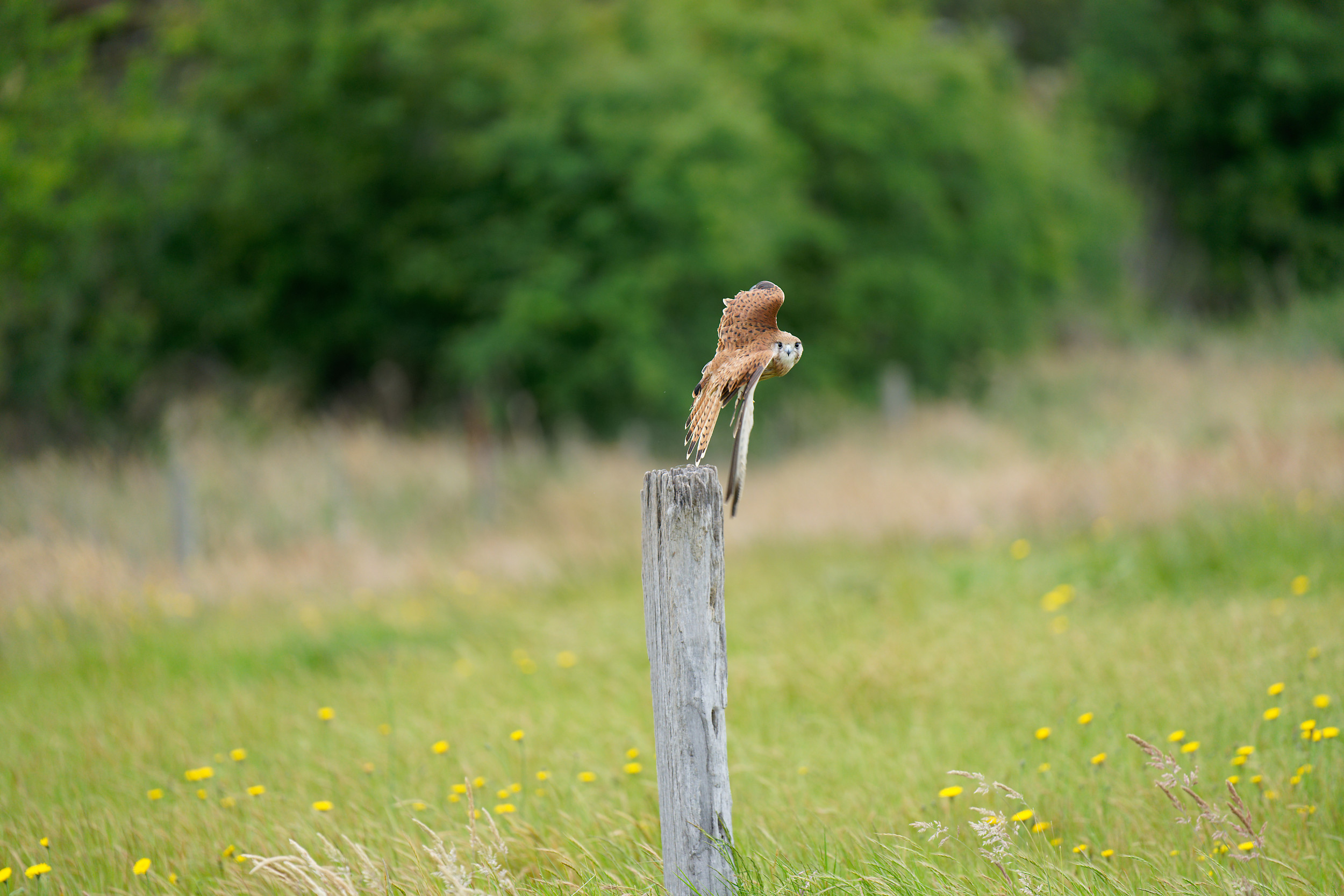 a1_68140_2500
 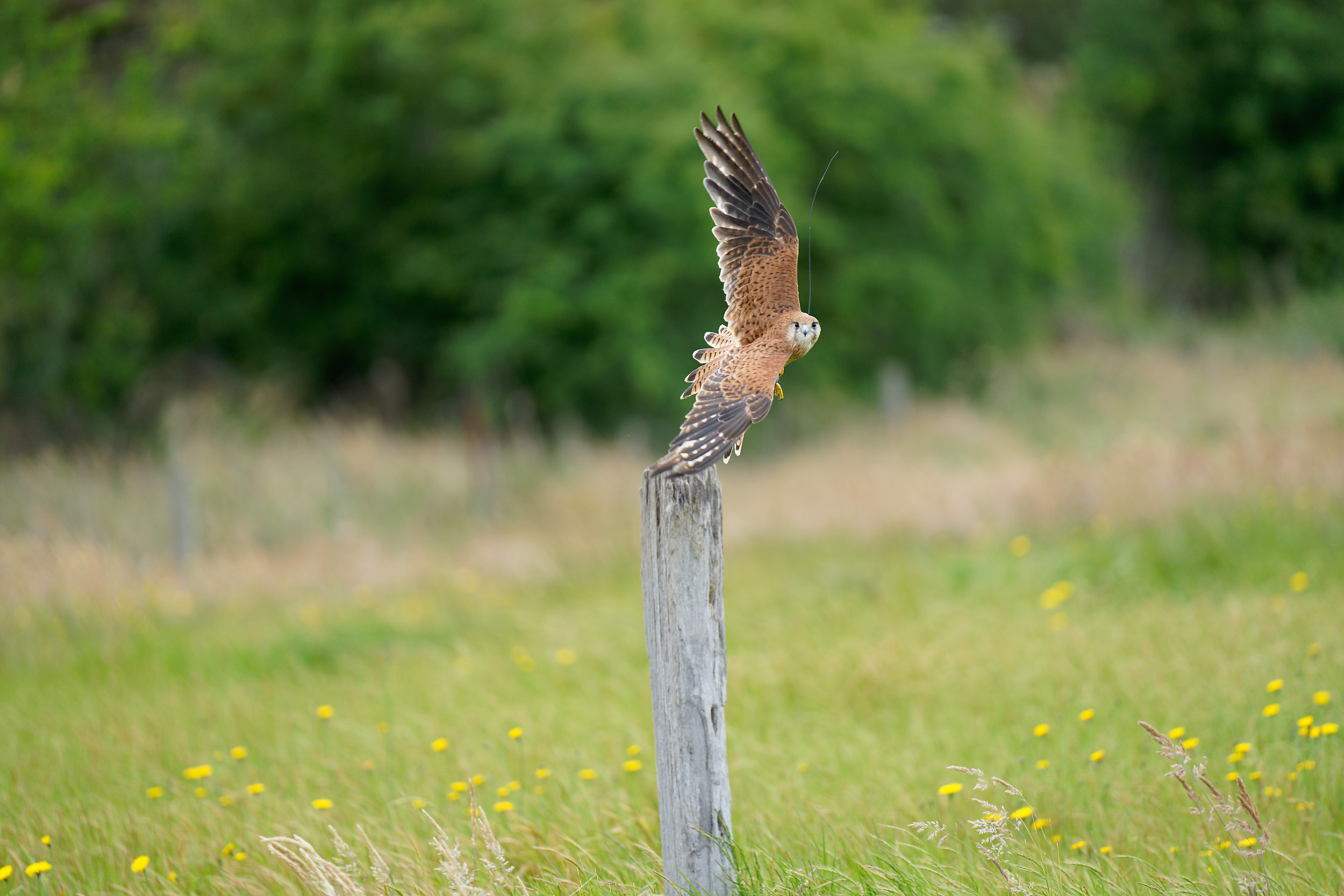 a1_68141_2500
 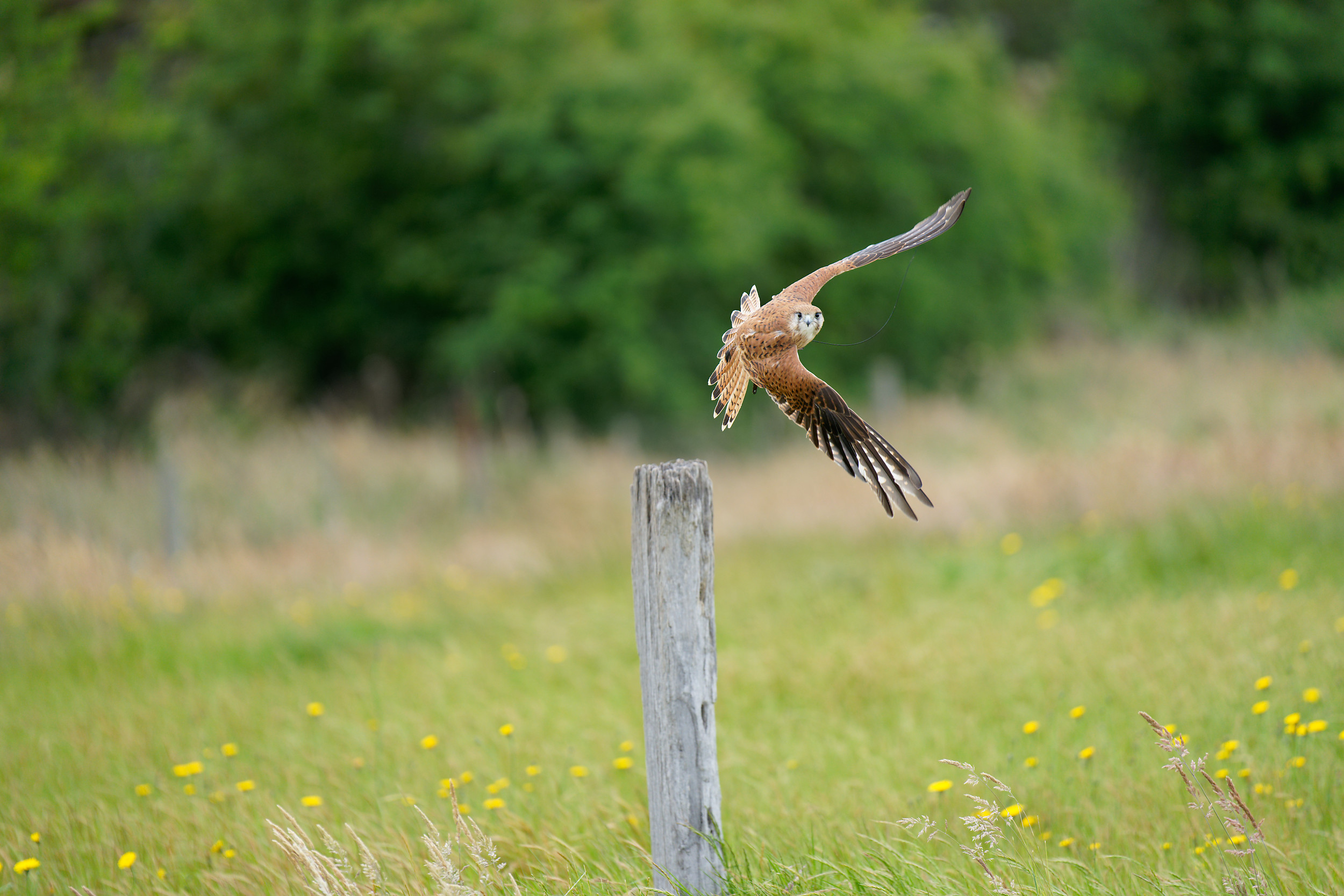 a1_68142_2500
 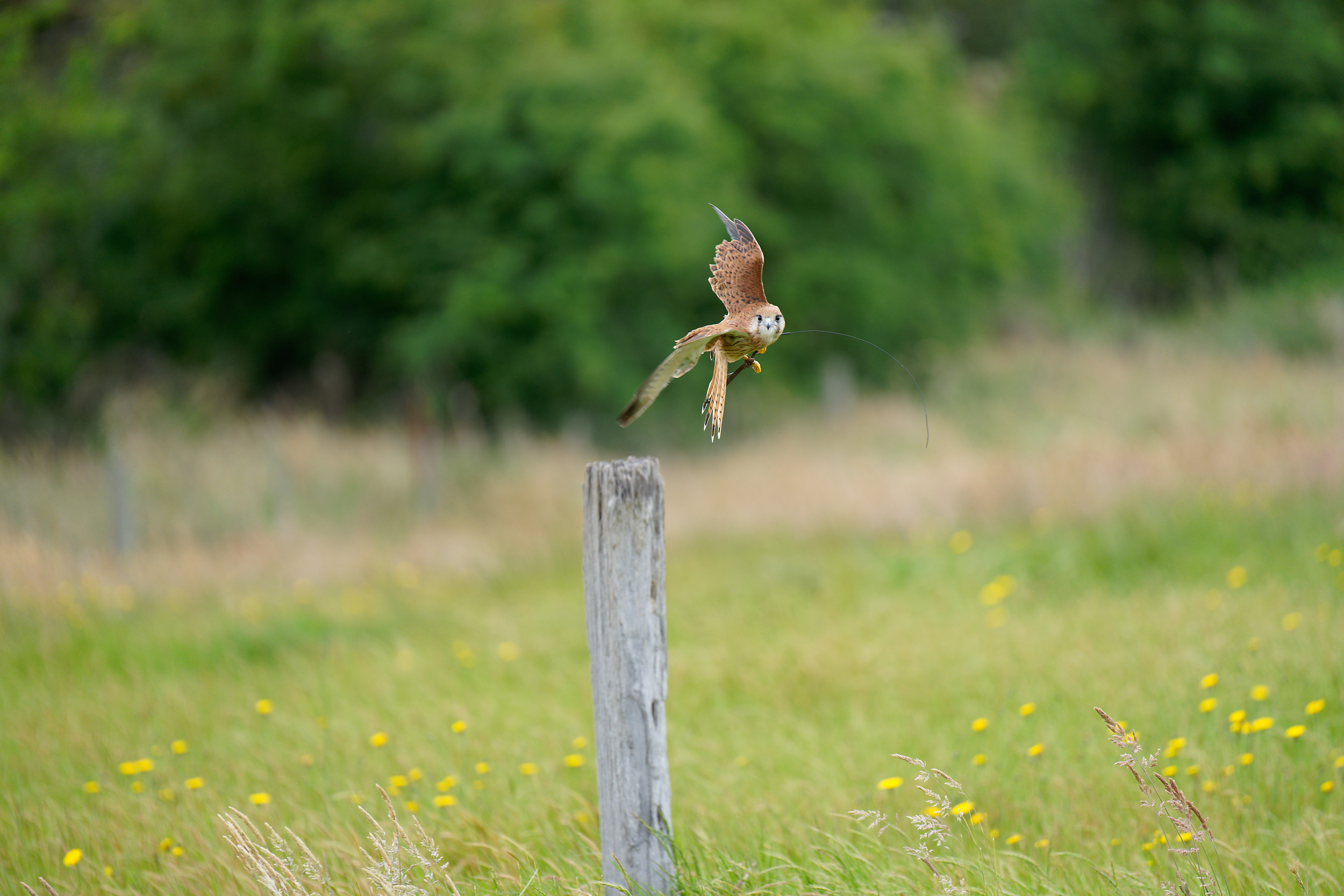 a1_68143_2500
 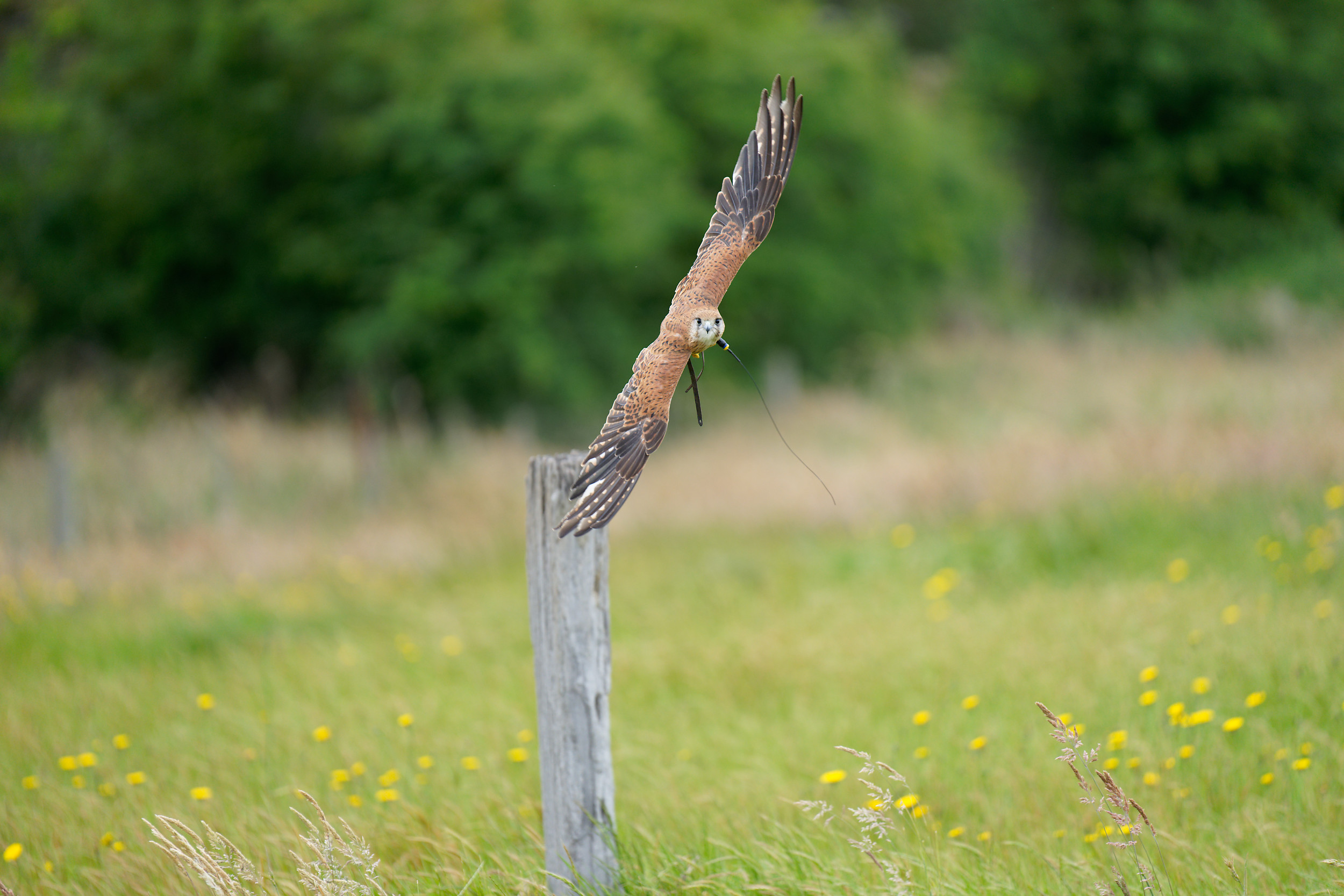 a1_68144_2500
 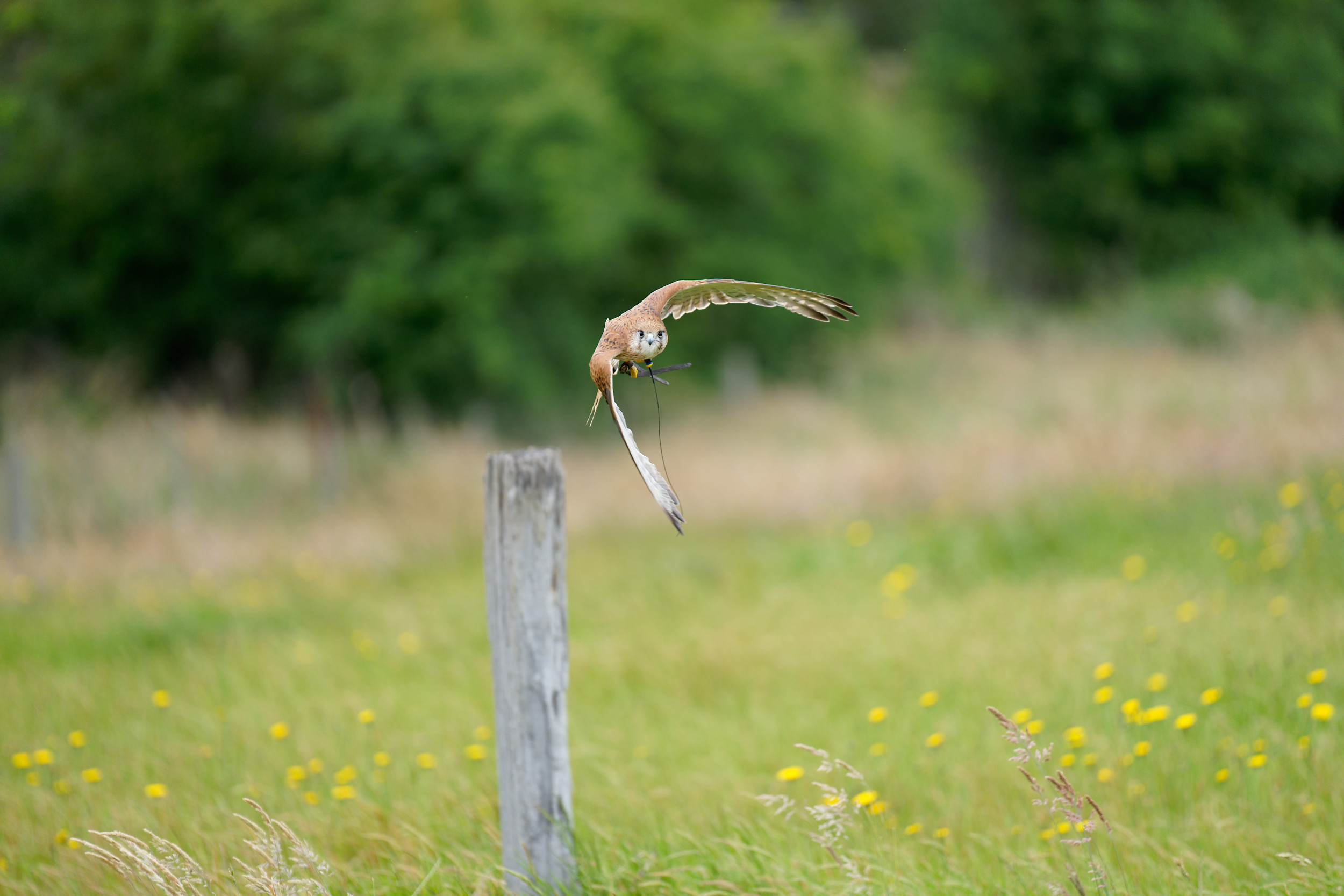 a1_68145_2500
 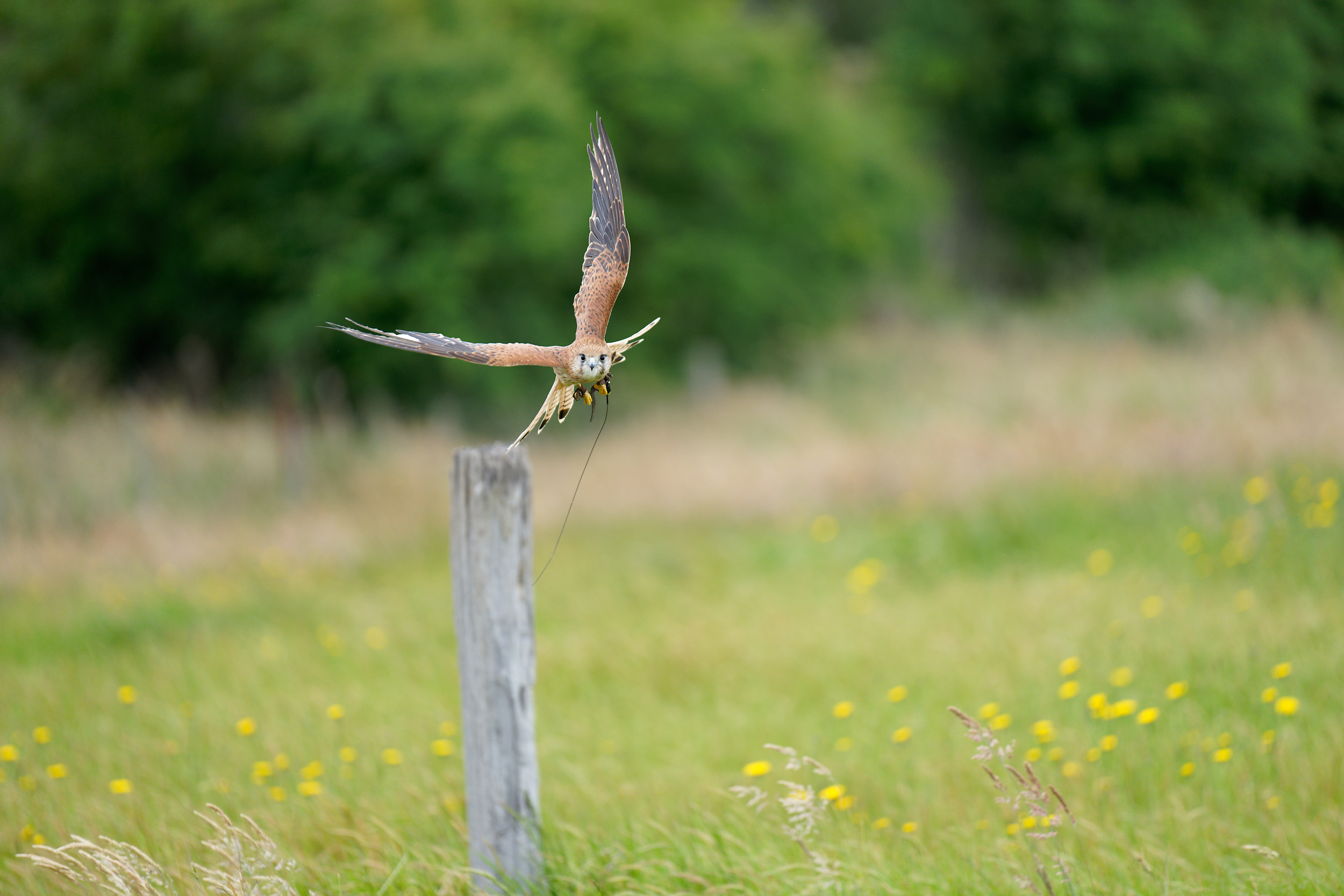 a1_68146_2500
 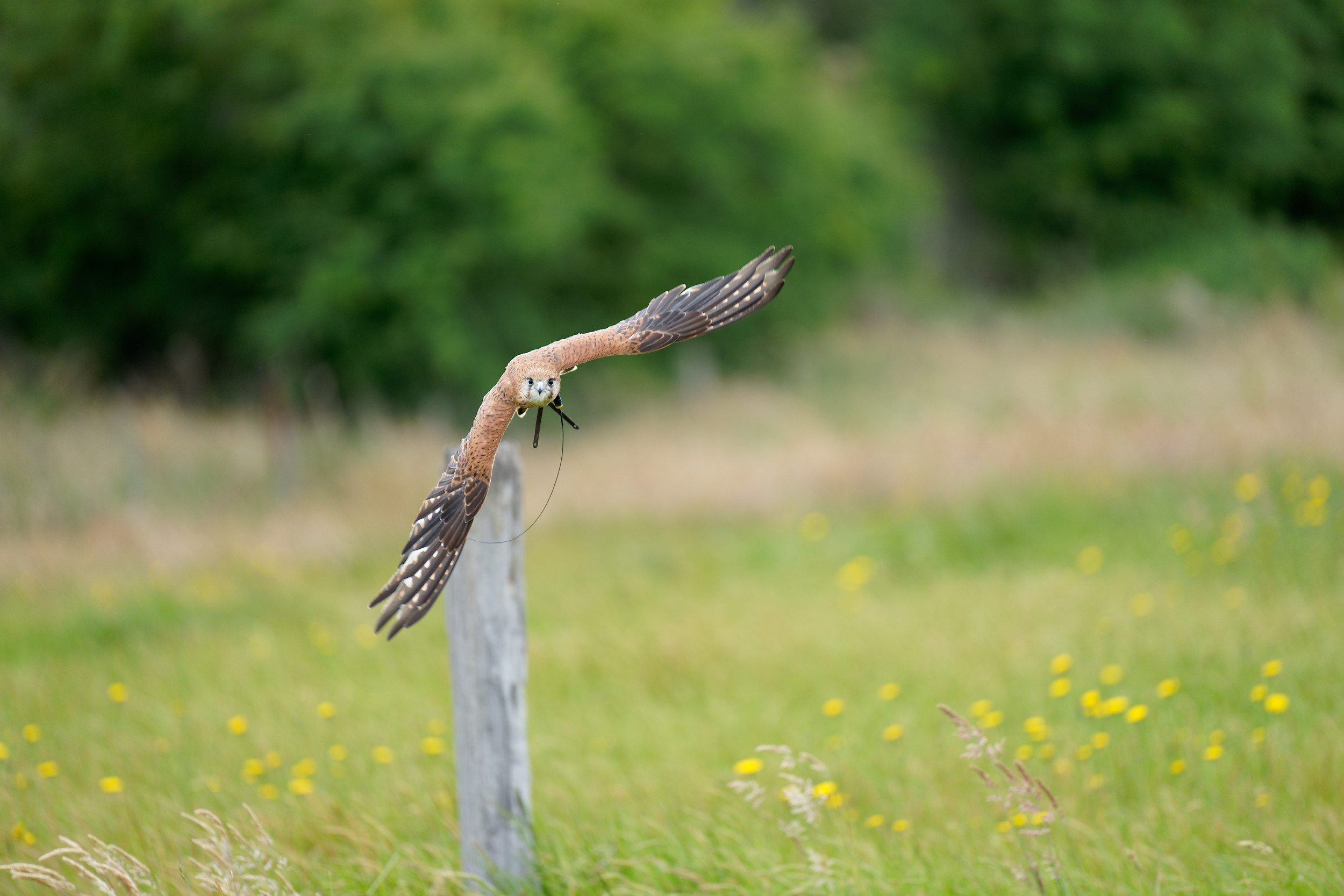 a1_68147_2500
 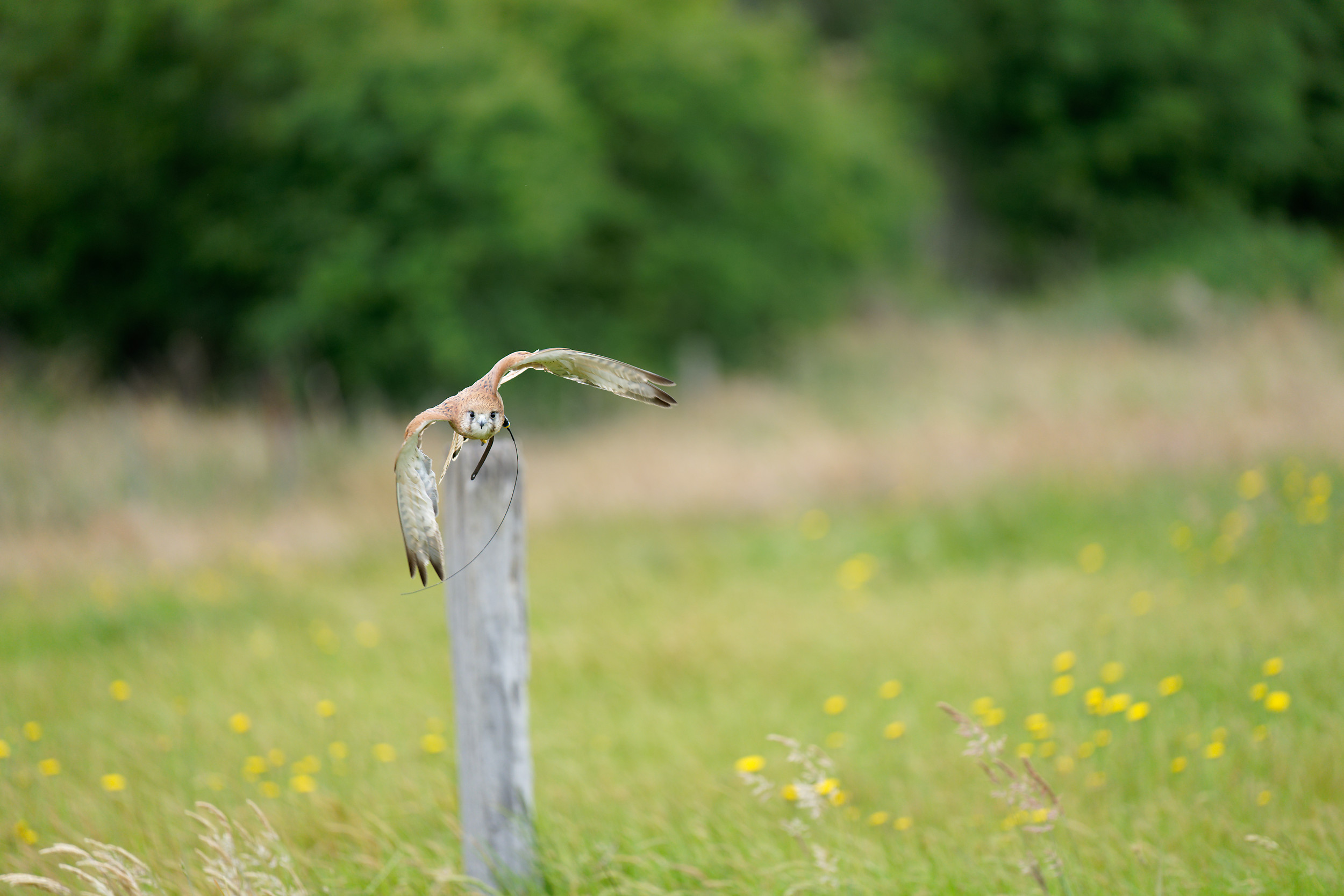 a1_68148_2500
 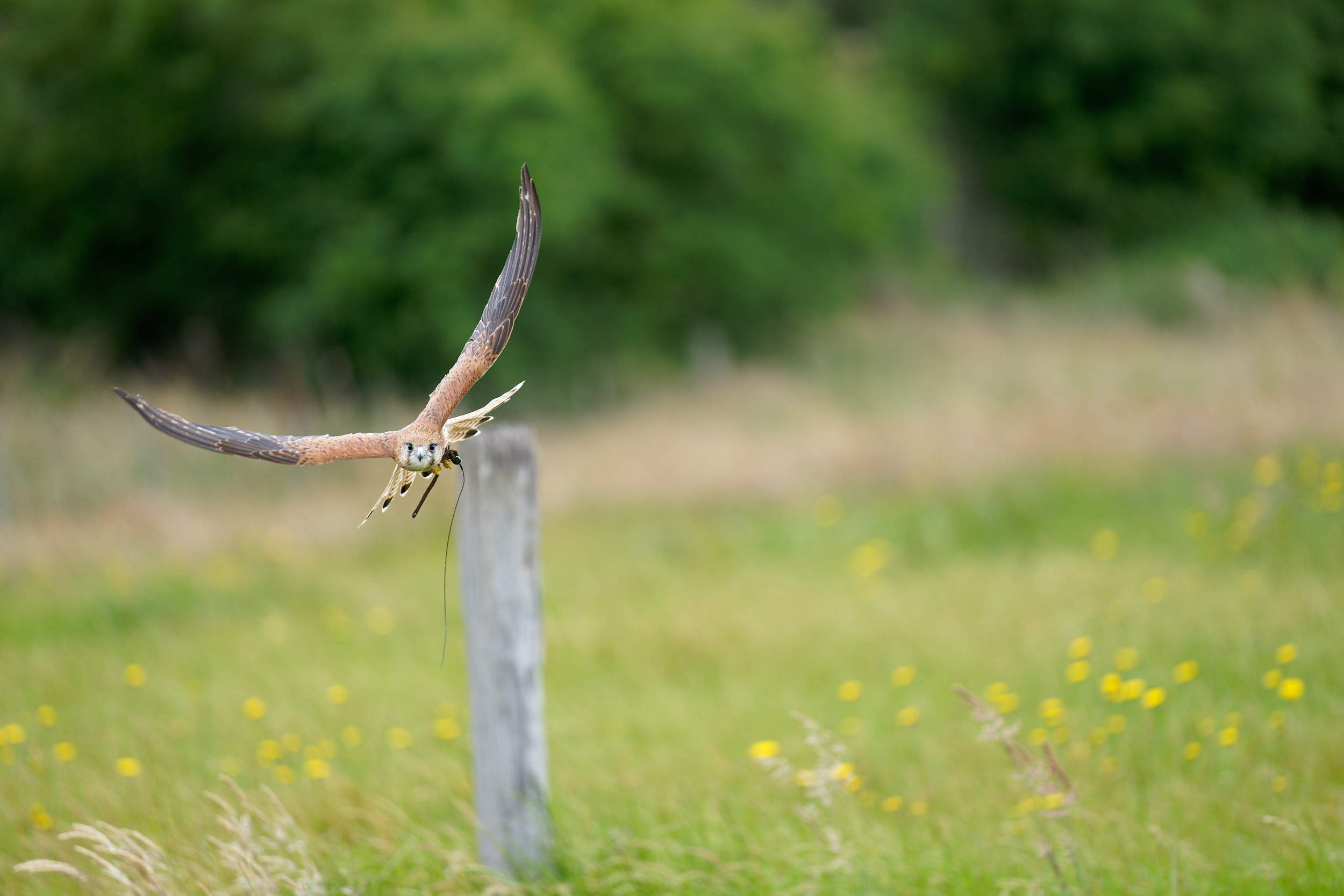 a1_68149_2500
 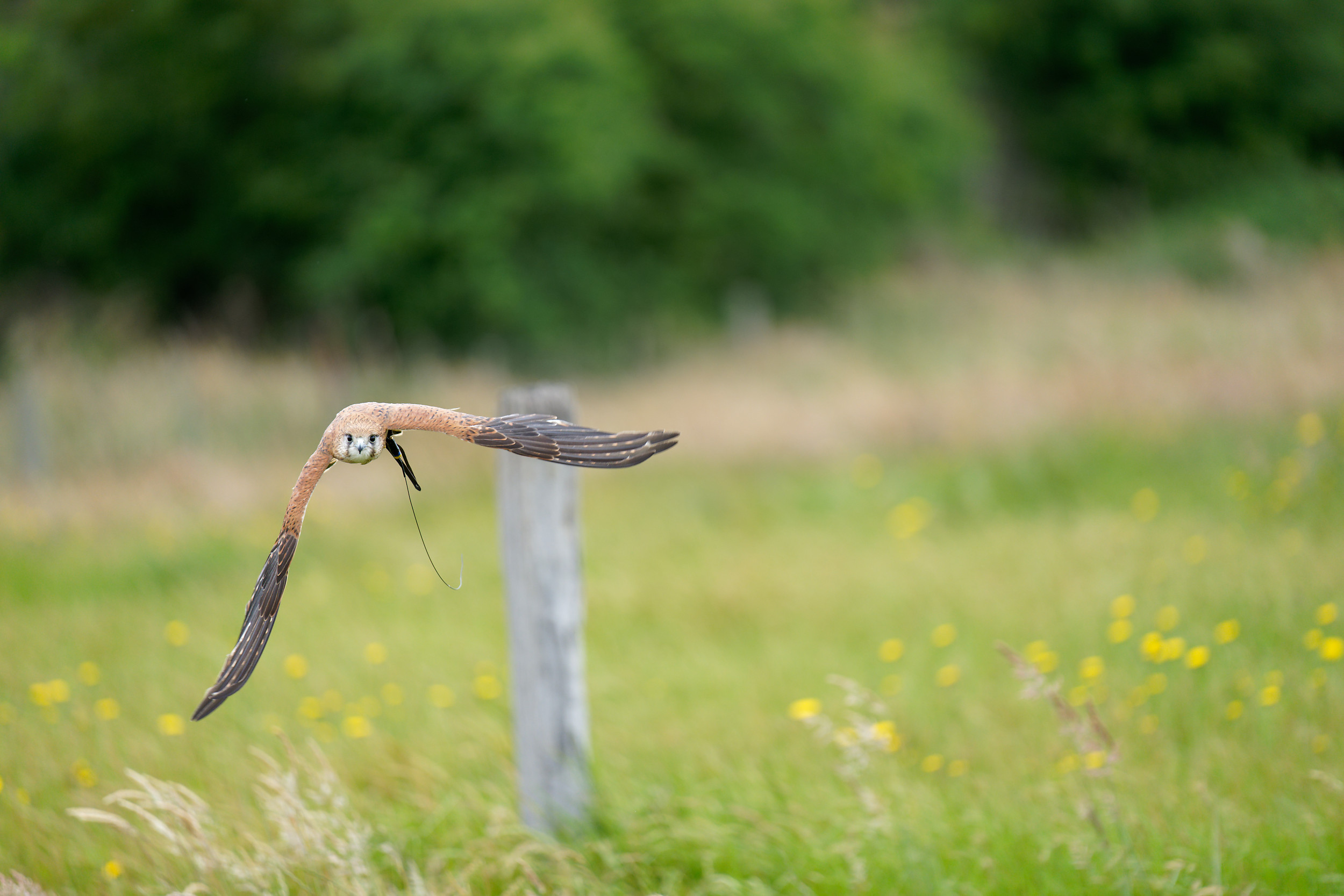 a1_68150_2500
 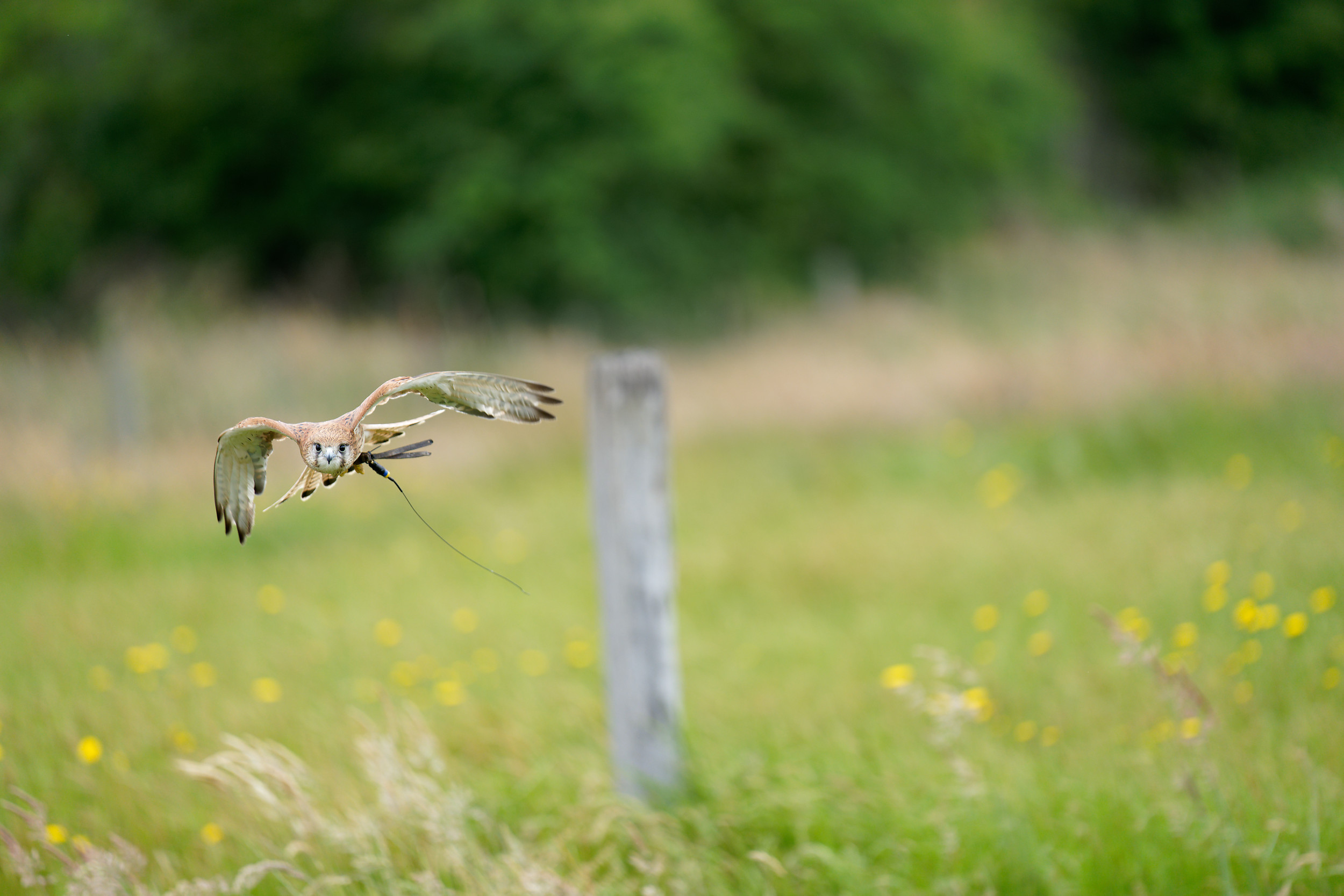 a1_68151_2500
 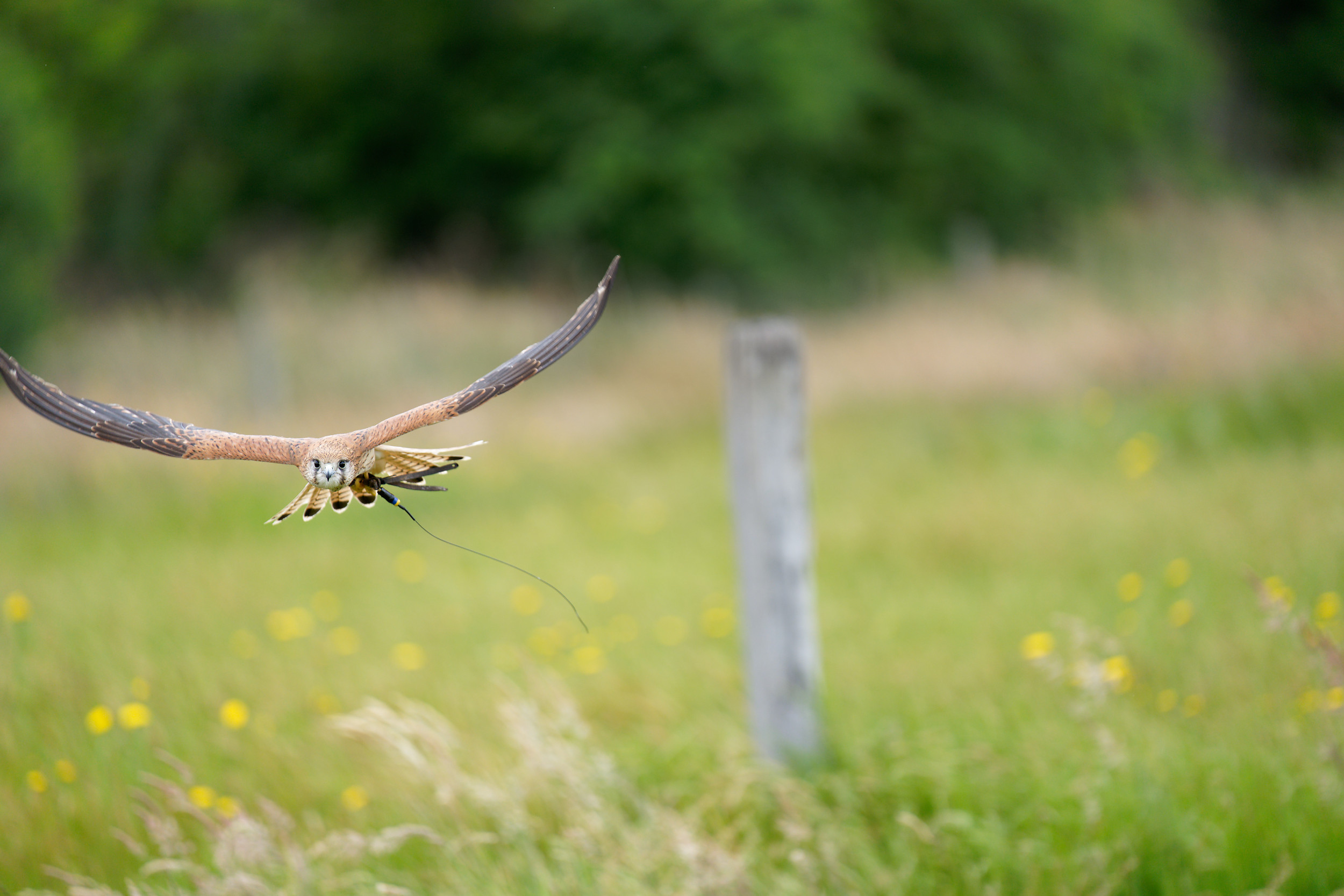 a1_68152_2500
 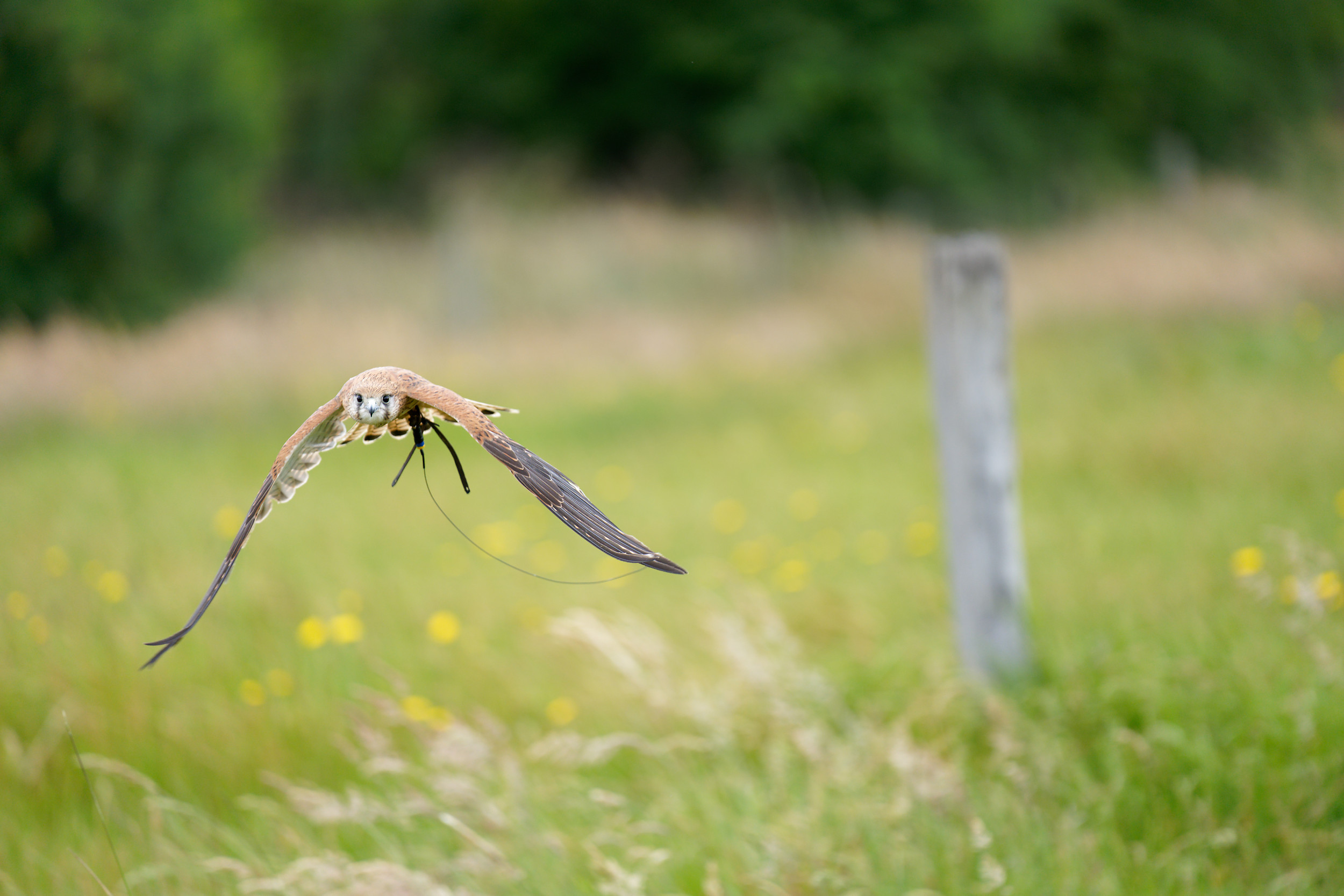 a1_68153_2500
 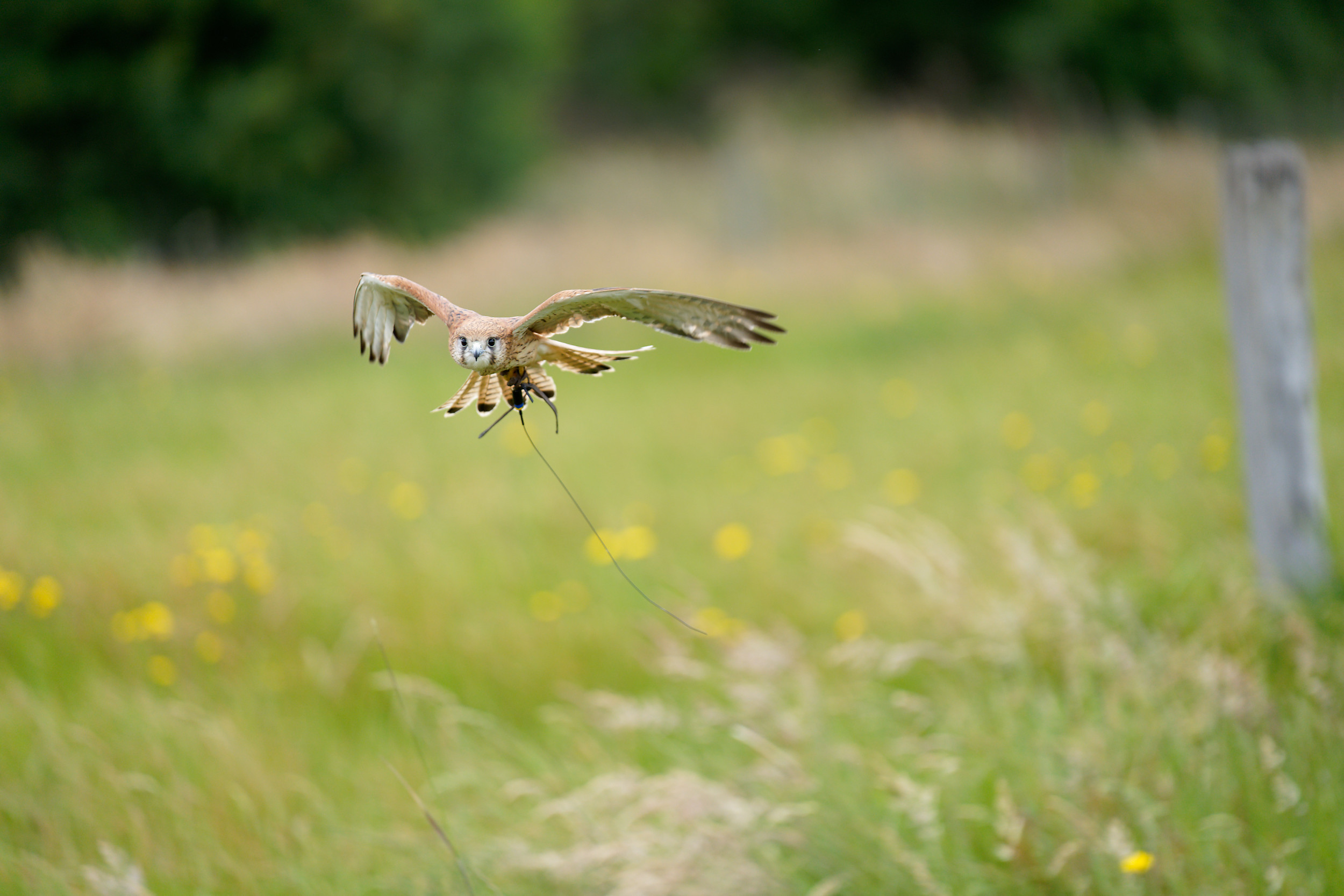 a1_68154_2500
 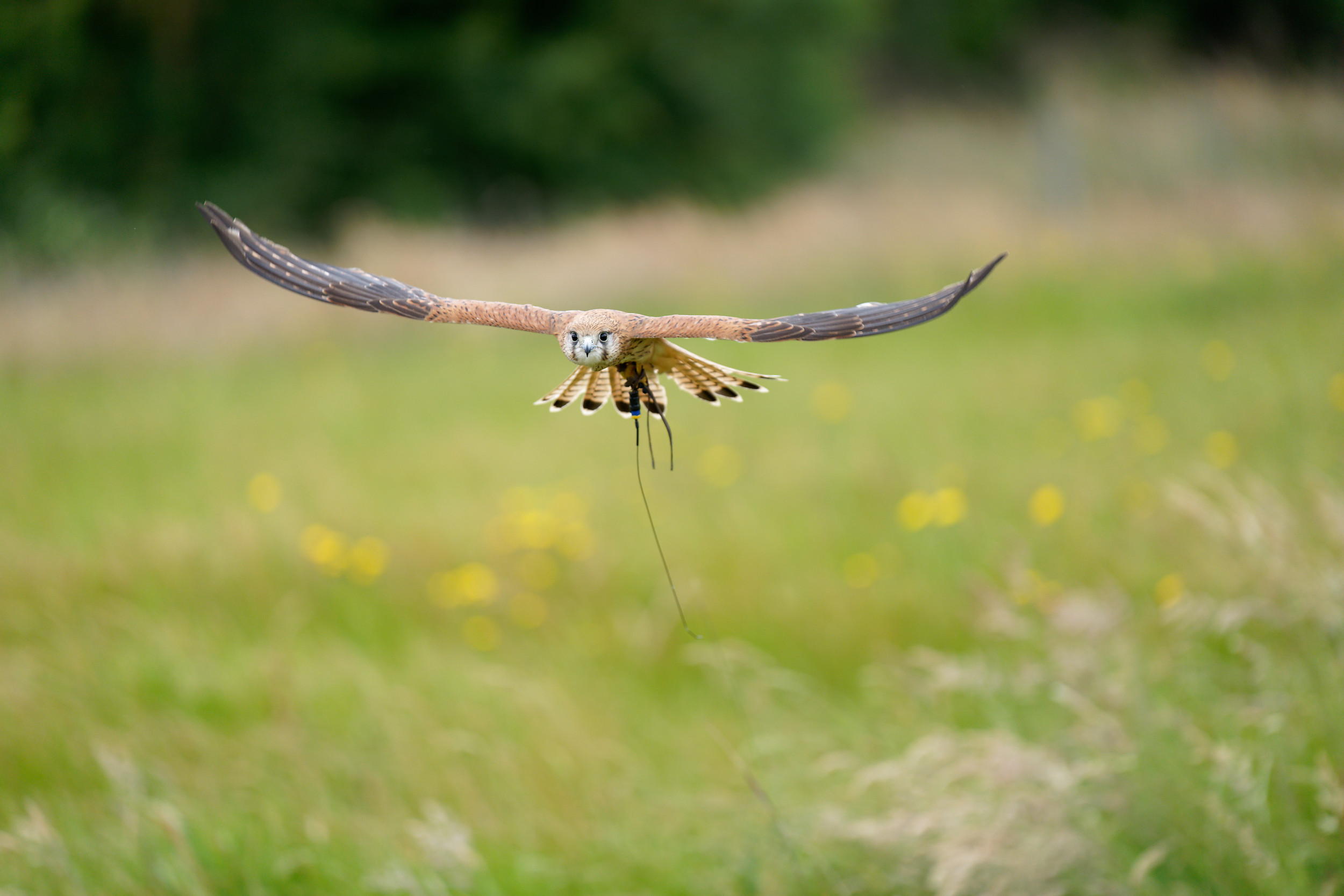 a1_68155_2500
 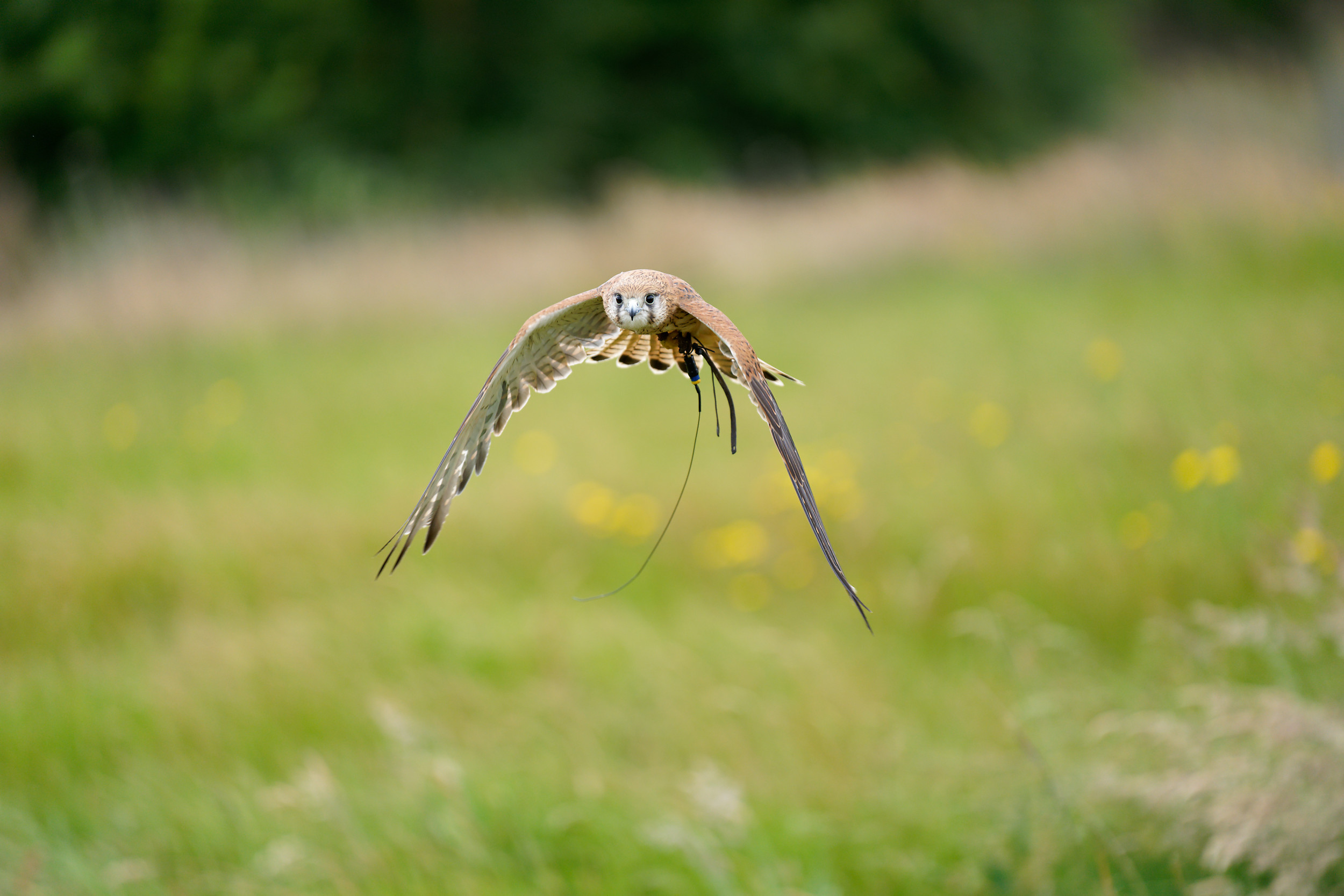 a1_68156_2500
 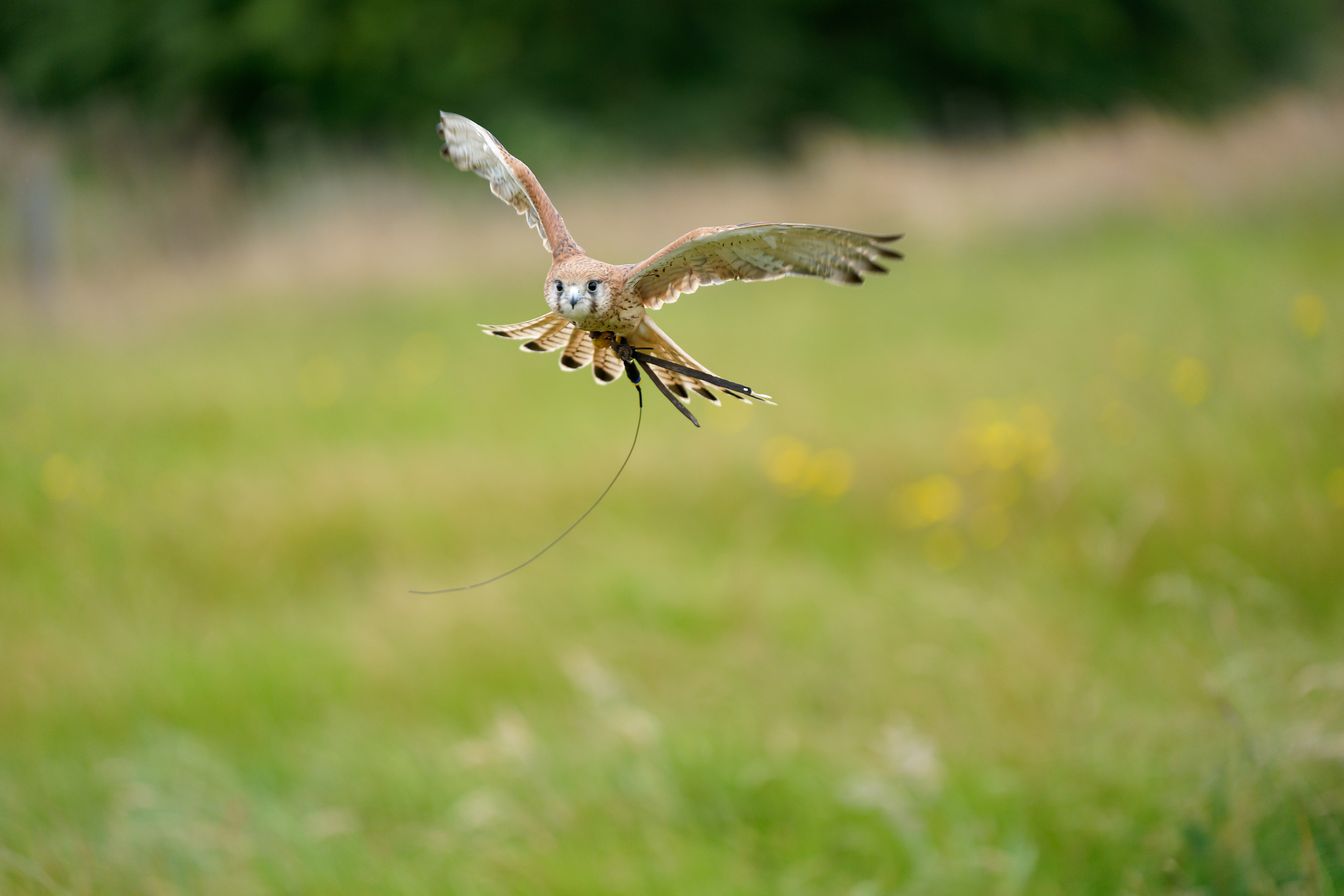 a1_68157_2500
 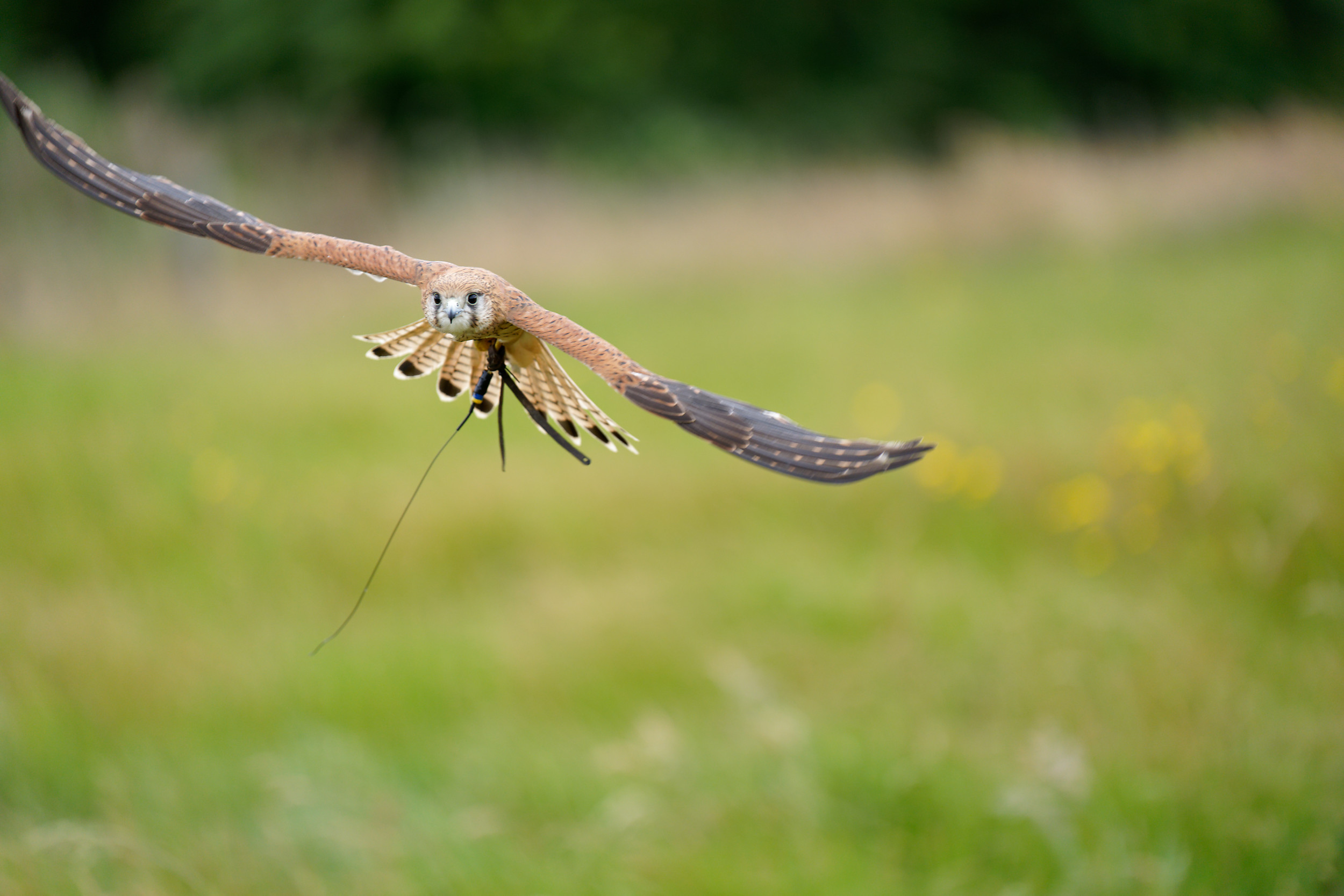 a1_68158_2500
 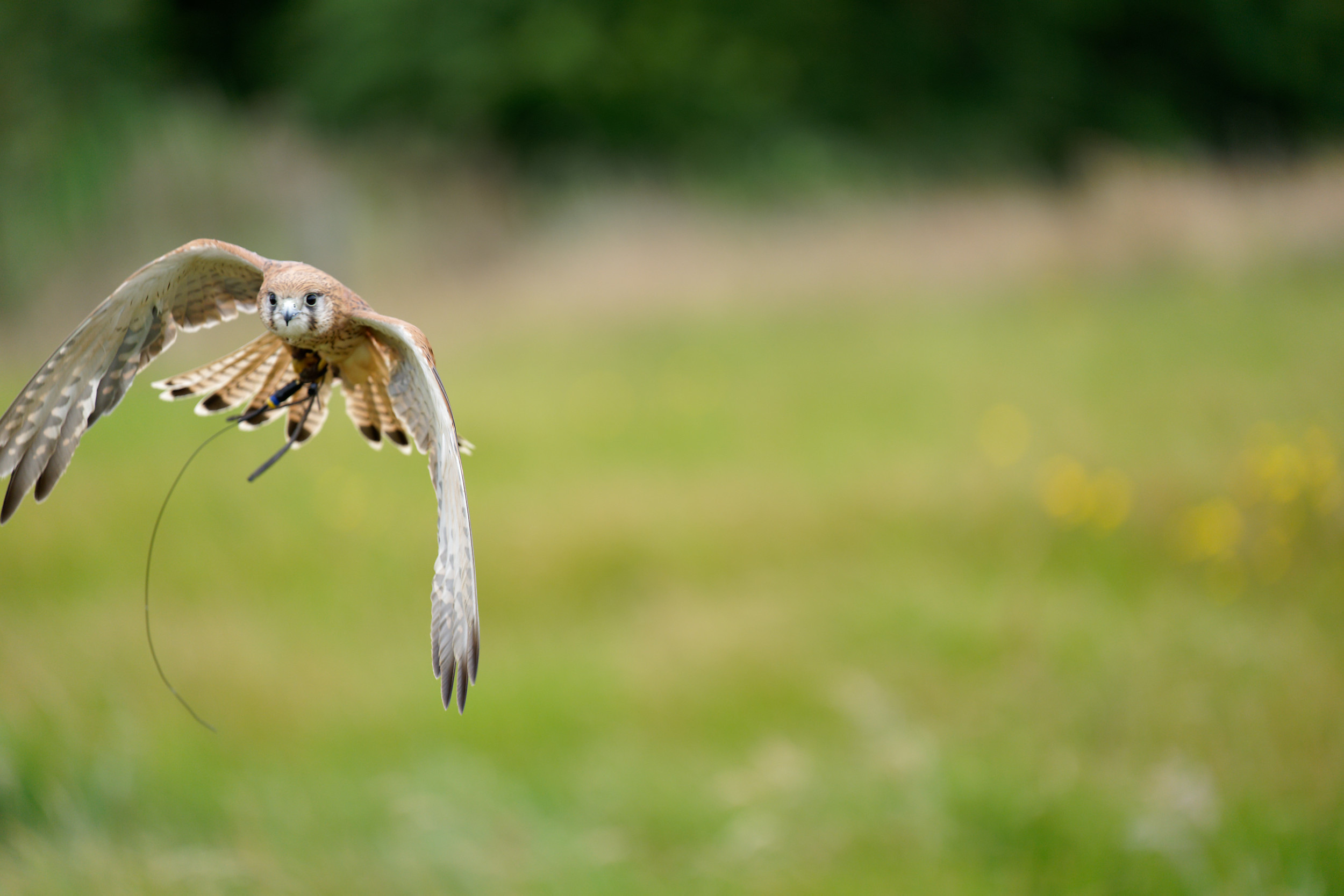 a1_68159_2500
 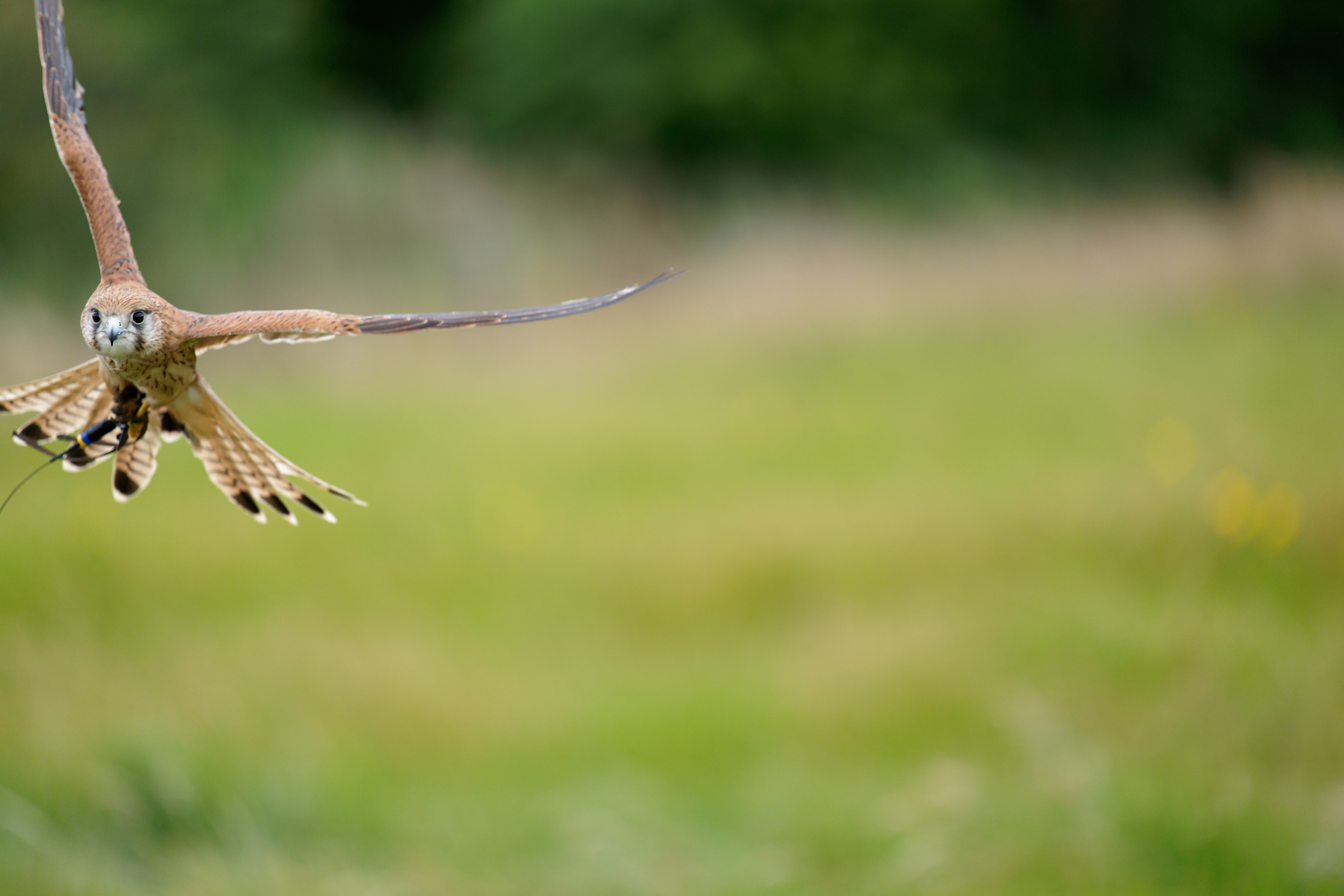 a1_68160_2500
 Yes, those last three frames clip the bird's wing. I was doing my best to track the bird's flight, but the images above are just over one second of flight. I had expected the bird to fly to camera right. You can see the strange way it moved to head towards me. If you keep an eye on the fence post launching point, you can see how much I had to pan. As I looked through these images, I was impressed at how tightly the eyes were glued on me, and how well the A1's eye AF worked.